
It’s easy to see why your new bathroom looks great, but what you don’t see – like the plumbing behind the walls and under the floors – is equally important. In Miami, there are some unique factors that might make you want to rethink your approach to bathroom plumbing installation. From high humidity and older buildings to HOA restrictions and Miami-Dade County building codes, these can all change the scope of your project. When done correctly, a well-planned bathroom is easy to use, easy to fix, and unlikely to cause expensive repairs due to plumbing leaks.
Why Miami Bathroom Plumbing Installation Needs Some Planning
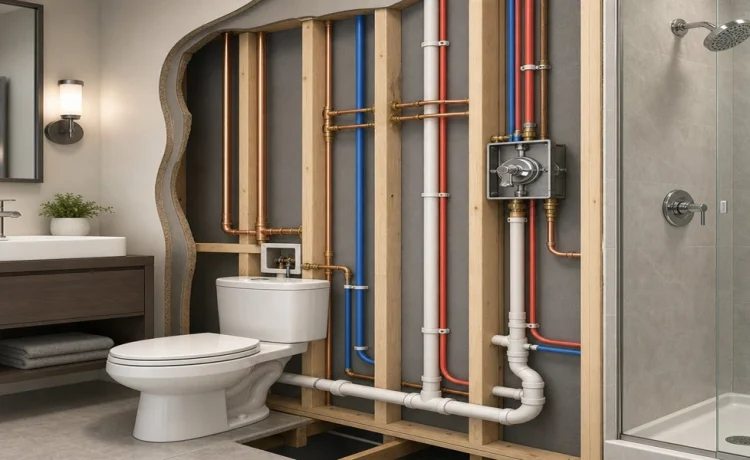
Plumbing isn’t just about putting in a sink, toilet, and shower. It includes hot and cold water pipes, drains, vents, shut-off valves, fixture placement, and much more, including coordination with tile and finishes.
In Miami, the age and type of home may affect the plumbing installation process. Older homes may still have outdated copper, galvanized steel, or cast iron pipes. Condos and apartments may share a main drain and vent stack with other units, which may require some additional coordination with the HOA or property management company. Also, in coastal South Florida, moisture can cause problems with leaks if left unaddressed.
The current state of the existing plumbing will determine whether your project is simply replacing the existing fixtures or a more complex bathroom installation requiring new pipes, drains, or valves.
Bathroom Plumbing Systems Explained
There are several components that make up an efficient bathroom. Each piece of the plumbing system, as you can read at https://www.britannica.com/technology, plays a vital role, and failure of any component could impact the rest of the system and the functionality of the space.
Water Supply Pipes
Water supply lines connect the hot and cold water to the sinks, showers, and bathtubs. The size of the lines must accommodate the water pressure required. With a remodeling project, it’s always a good idea to open the walls and replace any aging pipes before problems arise.
Drain and Waste Pipes
Drain lines remove wastewater from the bathroom. The slope of the line is critical; if it is too shallow, water won’t move efficiently through the pipes. Improper slopes can lead to slow-draining fixtures, clogs, odors, or backups.
Toilet and shower drains require precision, as the floors and finishes must go down over the pipe. Small errors can require costly corrections.
Plumbing Vents
Plumbing vents allow air into the drainage system so that water can move through. Poor ventilation can lead to gurgling drains, loss of water in traps, and the introduction of sewer gases. They may be hard to spot, but the vents play a vital role in a successful plumbing installation.
Local Factors That Matter in Miami
In Miami, the weather and architecture add a layer of complexity to bathroom plumbing installation that should be considered up front. The humid climate makes leak prevention and moisture control even more important. In older neighborhoods, original plumbing may not be suited for today’s fixtures. In condos, there may be water shutoff requirements, shared walls, and other rules that need to be taken into account when doing plumbing.
Some other local considerations include:
- Old supply or drain pipes in older homes
- Slab construction that makes pipe rerouting more difficult
- Shared stacks in apartment buildings
- Humidity that can exacerbate unseen water damage
- Permits and inspections for larger plumbing work
Taking care of these issues before demolition begins will save time and money down the road.
Bathroom Remodel vs. New Bathroom
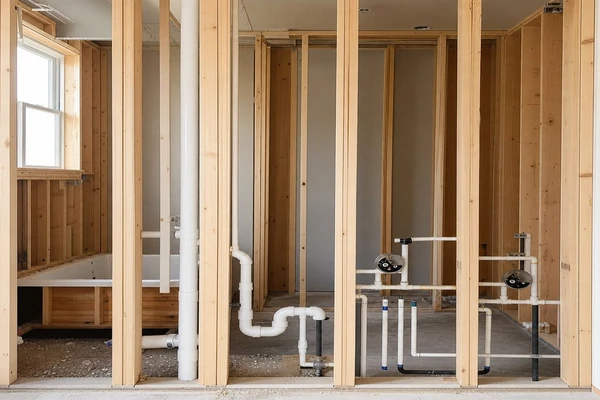
In a remodel, it is usually less expensive to keep the toilet, shower, and vanity where they are now. But if the existing plumbing is old, damaged, or poorly installed, it is often better to replace it while you’re remodeling.
With a new bathroom, you have more freedom in choosing where the plumbing goes. You also have to work with the framing, electrical, ventilation, and waterproofing teams to make sure everything fits together. The plumbing rough-in must be in place before the final fixtures are chosen.
When to Upgrade Your Bathroom Plumbing
If you are thinking about a bathroom remodel or addition in Miami, here are some indications that you should upgrade your plumbing during the renovation:
It is almost always cheaper and easier to fix plumbing during an installation than to go back and rework finished tile, flooring, or cabinetry.
Request a pressure test and document the plumbing with pictures before the walls are sealed. This will serve as a reference in the event that you need to make any repairs down the road. You also want to know where your pipes, drains, and valves are located so you don’t drill into them when hanging mirrors, shelves, or other bathroom accessories.
Don’t forget about access for the future. Having a cleanout in the right place, an accessible shower valve, and a shut-off valve at each fixture will help make repairs easier. It may not be glamorous, but it will save you from having to demo something later.
A Bathroom That Is Built to Last
Tile, fixtures, and lighting can make a bathroom look great. Plumbing is what makes it work. In Miami, taking care of your bathroom plumbing during a new installation or bathroom remodel is one of the best ways to protect against leaks, poor drainage, and water damage (read more here). When you take the time to plan the plumbing ahead of time, you can build a bathroom that lasts.