
A wasp nest under a Rogers porch eave calls for a different response than a yellowjacket nest in the ground beside the patio. The three stinging insects common here build in different places and differ in temper, so naming the one on a property points to how to handle it safely. Late summer brings the most trouble, when colonies reach full size and the insects grow bold around food and people. Homeowners can explore palisadepest.com to learn how to identify wasp nests before anyone goes near it.
The Three Stinging Insects Around Rogers Homes
Each species has a nest and habit that set it apart:
- Paper wasps. They build an open, umbrella-shaped comb under eaves, railings, and in shrubs. A colony numbers 20 to 75 adults, and they sting mainly when the nest is disturbed.
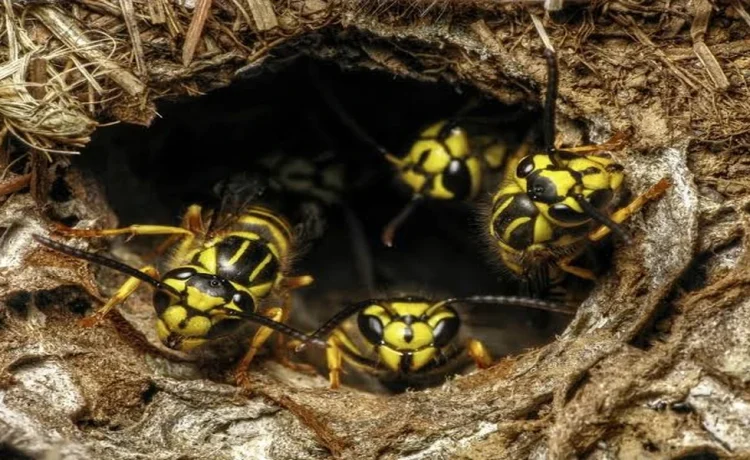
- Yellowjackets. They nest underground or inside wall voids and hollow spaces, with colonies of 1,000 to 5,000. They are the most aggressive of the three and defend the nest hard.
- Bald-faced hornets. They hang a large gray, football-shaped paper nest in trees or on the side of a house. Colonies reach 200 to 700, and they also defend the nest forcefully when approached.
Why Late Summer Brings the Worst Encounters
A colony starts small in spring with one queen and grows all season. By August and September it reaches its largest size, which puts the most insects in the yard at once. The natural food supply drops at the same time, and yellowjackets start scavenging at cookouts, trash bins, and recycling. That combination of crowded colonies and bold foraging explains why most stings happen in late summer and early fall. Palisade Pest Control treats nests during this peak, when disturbing one without the right gear is at its most dangerous.
What Makes Wasp Stings Different From Bee Stings
Wasps keep their stinger and can sting many times, while a honey bee stings once and dies. Only the females sting. A disturbed yellowjacket or hornet nest can send dozens of defenders at once, and some species give off a chemical that calls in more. Stings to the mouth or throat are the most serious, since swelling there can block breathing. An allergic reaction can begin within half an hour, so anyone struggling to breathe after a sting needs emergency care.
Removing a Nest Safely
A nest close to a door, walkway, or play area should come down, though not by a homeowner with a can of spray. Yellowjacket and hornet nests especially react violently to a failed attempt. A professional treats the nest at the right time of day, wears protective gear, and reaches hidden parts a spray cannot touch. The colonies die off on their own by winter, and only mated queens survive to start new nests elsewhere the next year. An old nest goes unused after that, so clearing an empty winter nest serves tidiness and nothing more.
Keeping Wasps From Settling In
Spring is the time to stop a colony before it grows. A founding queen builds a small nest in April or May, and knocking down a nest the size of a golf ball is far safer than facing a mature one in August. A walk around the eaves, railings, playsets, and the underside of the deck in early spring catches these starter nests. Sealing gaps in soffits, vents, and siding keeps queens from nesting in wall voids. Through the summer, covering food and drinks outdoors and keeping tight lids on trash and recycling bins gives yellowjackets less reason to gather. Clearing fallen fruit from under trees removes another draw. Wasps are not all harmful, since paper wasps hunt caterpillars and other garden pests, so a nest well away from foot traffic can often be left in place.
Handling Rogers’s Stinging Insects Before the Peak
Rogers sees all three stinging insects every summer, and most nests stay out of the way until someone stumbles onto one. Learning to tell them apart, and keeping clear of the aggressive ground and aerial nests, prevents most stings. A nest near where people gather is worth handling early, before the late-summer peak makes the job harder and the colony more defensive.