
Thinking about upgrading to a heat pump?
That is a smart move for energy efficiency and year-round comfort. But here is a question many homeowners forget to ask. Is your home properly insulated before installation? If not, even the best heat pump can struggle to perform the way it should.
Why Insulation Matters Before Installation
A heat pump does not create heat the same way a furnace does. Instead, it moves heat in and out of your home. That means your home needs to hold onto that heat or cool air efficiently. If insulation is weak or missing, the system has to work much harder to maintain comfort.
Poor insulation leads to heat loss in winter and heat gain in summer. This results in longer run times, higher energy bills, and uneven temperatures throughout the house.
Attic Insulation Comes First
Have you checked your attic lately? The attic is one of the biggest areas where energy loss happens. Proper attic insulation helps keep indoor temperatures stable and reduces the workload on your heat pump.
Most homes benefit from upgraded insulation levels in the attic. If your insulation looks thin, uneven, or outdated, it may not be doing its job effectively.
Wall Insulation Makes A Difference
Walls also play a key role in maintaining comfort. Older homes often have outdated or insufficient wall insulation, which allows outdoor temperatures to seep inside.
Improving wall insulation helps prevent temperature swings and keeps your heat pump from overworking. It also improves overall comfort in every room.
Sealing Air Leaks Is Just As Important
Insulation alone is not enough if air is leaking through gaps and cracks. Have you noticed drafts around windows or doors? Those small openings allow conditioned air to escape.
Sealing these leaks helps your heat pump maintain consistent temperatures without running constantly. It is a simple step that makes a big impact on efficiency.
Floors And Crawl Spaces Should Not Be Ignored
Homes with crawl spaces or uninsulated floors can lose a surprising amount of energy. Cold air can enter from below, making your heat pump work harder to keep the home warm.
Adding insulation to these areas helps create a complete thermal barrier and improves system performance.
Getting Your Home Ready The Right Way
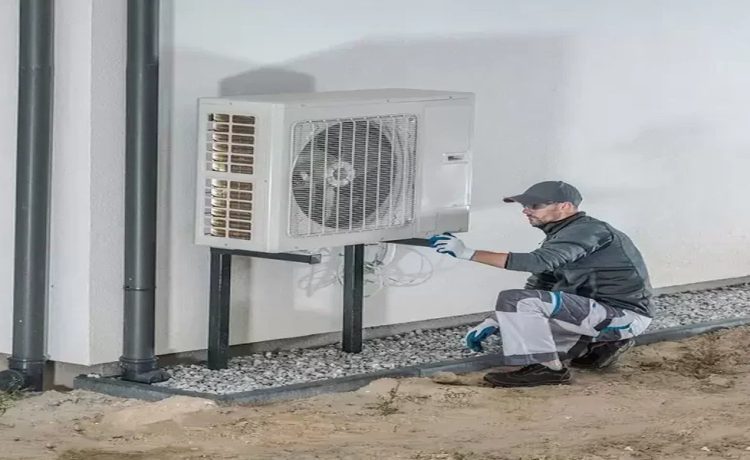
Before installing a heat pump, it is important to evaluate your entire home, not just the equipment. Proper insulation ensures your investment pays off with better efficiency, lower bills, and long-term comfort.
That is where HELP Plumbing, Heating, Cooling, and Drains can help. Our team understands how local homes perform and can guide you through insulation upgrades and system installation.