

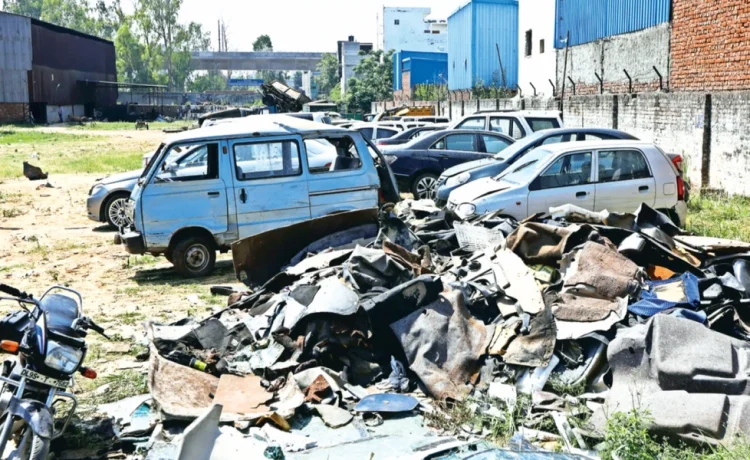
Finding quality salvaged automotive elements requires a strategic approach at major salvage yards. Local auto enthusiasts often spend hours searching rows of discarded machinery for specific functional machinery parts. Utilizing organized inventory systems significantly reduces the physical exertion required during your salvage yard visit. The premier recycling facility, known as Scrappy’s Junk World in Mooresville serves as a massive hub for sourcing rare mechanical pieces. Navigating this expansive salvage facility efficiently demands advanced planning and proper tools. Success relies heavily on understanding layout patterns and knowing which tools are necessary for dismantling sections.
Pinpointing Major Mechanical Assemblies Quickly
Locating massive operational components involves checking the heavy machinery section near the main entrance gates. Specialized lifting machinery remains available for moving bulky iron blocks safely without causing bodily injury.
- Heavy iron blocks usually reside near the northern perimeter fence lines.
- Transmission gearboxes are organized by drive configuration on wooden pallets.
- Steering racks occupy specific metal racks near the fluid draining stations.
- Suspension assemblies line the rear pathways for rapid customer loading. Finding major mechanical assemblies becomes simple when following structural perimeter grid lines.
Master Layout Navigation For Optimal Sourcing Success
Navigating massive salvage perimeters requires immediate consultation with front desk yard attendants upon arrival. These attendants possess updated computerized maps detailing where fresh arrivals are parked weekly. Row markers clearly indicate production eras to prevent patrons from wandering. Maximizing field efficiency requires strict adherence to these established salvage yard corridor paths.
Utilizing Interactive Virtual Inventories Efficiently
Modern salvage yards maintain digital catalogs that update automatically as fresh arrivals enter the processing gates. Checking digital databases via handheld communication devices saves valuable foot travel across muddy fields. Users can filter availability based on production years or specific component categories instantly. Digital tracking minimizes guesswork and ensures requested items remain present before tools touch metal.
Gathering Essential Hand Tools Before Extraction Tasks
Bringing the correct tools ensures smooth extraction processes without damaging the valuable surrounding aluminum structures during removal. Specialized socket sets and breaker bars prevent stripping stubborn rusted fasteners hidden beneath the chassis.
- Flat screwdrivers assist in prying stubborn rubber trim panels away smoothly.
- Portable impact wrenches speed up thread removal tasks on frozen bolts.
- Safety glasses protect vision from falling rust flakes beneath chassis frames.
- Heavy leather gloves shield bare hands from sharp, jagged steel edges.
- Penetrating oil loosens seized metallic threads within a few minutes.
- Pliers grab small retaining clips hidden inside interior door panels.
- Battery-powered saws cut through structural brackets when necessary.
- Small plastic bins keep extracted fastening screws organized together safely.
Assessing Outer Body Panel Structural Integrity
Inspecting exterior sheet metal requires careful observation under direct natural sunlight to spot hidden structural defects. Bondo filler often hides deep dents that compromise the long-term durability of replacement panels. Checking matching seam lines ensures the item has never suffered major impact distortion previously. Quality panels preserve future resale value while ensuring proper weather seals during alignment.
Securing Rare Interior Trim Components Safely
Preserving delicate cabin elements requires specialized plastic prying tools to avoid cracking brittle dashboard structures. The indoor warehouse at Scrappy’s Junk World in Mooresville protects vulnerable leather seats from harsh seasonal weather elements continuously. Shoppers frequently discover pristine electronics inside vehicles that suffered only minor external rear collisions. Analytical sourcing protects delicate fasteners so your replacement pieces snap into position flawlessly.
Verifying Electrical Wiring Harness Connectivity Metrics
Testing electrical subassemblies involves using portable diagnostic meters to check continuity across ancient copper pathways. Corrosion often builds inside multi-pin connectors when windows remain rolled down in salvage fields. Cleansing terminal pins with specialized chemical sprays restores the original electrical current flow immediately. Confirming resistance values beforehand saves immense troubleshooting frustration during final dashboard reassembly.
Finding Functional Radiator Cooling Systems Seamlessly
Cooling units demand close inspection of individual aluminum cooling fins to ensure optimal airflow remains possible. Pressure testing units before leaving the facility prevents purchasing items with microfractures in plastic tanks. Avoid units showing heavy white mineral crusting near the main inlet hose connection necks. Choosing clean salvage units keeps engine operating temperatures within safe parameters during summer.
Confirming Warranty Exchange Policies Before Final Departure
Inquire about short-term return tokens at the main checkout window before exchanging currency. Marking your purchased parts with unique paint ensures quick identification if exchange needs arise later. Keeping original paper receipts protects your financial investment against internal component mechanical failure. Understanding yard rules provides peace of mind before transport operations begin.
Maximizing Automotive Salvage Sourcing Triumphs
Sourcing recycled mechanical pieces represents a highly sustainable method for maintaining older operational transport units economically. Successful retrieval operations require adequate tool preparation combined with systematic digital inventory validation steps before field exploration. Utilizing computerized tracking databases eliminates traditional searching difficulties while maximizing physical energy reserves during hot days. Strategic planning transforms chaotic junkyard scavenging into a streamlined procurement process for budget-conscious mechanics. Implementing these organized methodology guidelines guarantees successful extraction missions on every single facility visit.