
Miami’s residential landscape is constantly evolving, with new architectural styles, condo developments, and interior design preferences shaping how people live. One of the most important factors influencing furniture decisions in the city is home layout.
From open-concept apartments to compact studios and luxury high-rises, the way a home is structured directly impacts the type of furniture residents choose. Understanding these layout trends can help explain why certain furniture styles and features are becoming more popular across Miami.
The Rise of Open-Concept Living
Open-concept layouts have become a defining feature of many Miami homes, especially in newer condo developments. These spaces combine the living room, dining area, and kitchen into one continuous area.
This type of layout encourages furniture choices that:
- Define spaces without using walls
- Maintain visual flow throughout the room
- Avoid overcrowding
For example, sofas are often used as subtle dividers between living and dining areas, while rugs help create distinct zones within a shared space.
Furniture in open layouts is not just functional-it also plays a role in organizing the entire room.
Smaller Spaces and Efficient Design
As Miami’s population grows, many residents are living in smaller apartments and studios. These compact layouts require a more strategic approach to furnishing.
Residents often prioritize:
- Space-saving furniture
- Multi-functional pieces
- Items with built-in storage
In smaller homes, every piece of furniture must serve a purpose. This has led to increased demand for practical designs that maximize usability without taking up too much space.
Maximizing Natural Light
Miami homes are known for their large windows and abundant natural light. Layouts are often designed to highlight these features, which in turn influences furniture placement and selection.
Residents tend to choose furniture that:
- Does not block windows or light sources
- Uses lighter colors to reflect brightness
- Enhances the open, airy feel of the space
Low-profile furniture is especially popular, as it helps maintain clear sightlines and allows natural light to flow freely.
Flexible Layouts for Multi-Use Spaces
Modern Miami homes often serve multiple purposes. A living room might double as a workspace, while a dining area may also be used for meetings or study.
This has increased the demand for flexible furniture that can adapt to different uses, such as:
- Expandable tables
- Foldable desks
- Modular seating arrangements
These pieces allow residents to adjust their spaces based on their daily needs, making the home more versatile.
Condo Living and Spatial Constraints
High-rise condo living is a major part of Miami’s housing market. These units often have unique layouts that require careful planning.
Furniture decisions in condos are influenced by:
- Limited square footage
- Specific room dimensions
- Building layouts that prioritize views and balconies
Residents often measure their spaces carefully and choose furniture that fits precisely within these constraints.
For those exploring options, Miami furniture stores can provide insight into furniture types that are commonly suited for these layouts and how they align with local living conditions.
The Role of Minimalism in Layout Trends
With space often limited, many Miami residents are embracing a minimalist approach to furnishing their homes. This trend is closely tied to layout design.
Minimalist layouts encourage:
- Fewer but more purposeful furniture pieces
- Clean lines and simple designs
- Reduced clutter for a more open feel
This approach helps maintain a sense of calm and organization, especially in smaller living spaces.
Outdoor Extensions of Indoor Spaces
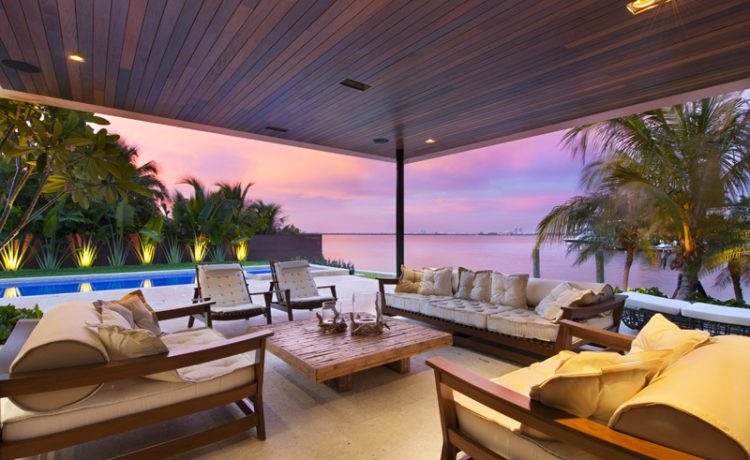
Many Miami homes feature balconies, patios, or terraces that act as extensions of the indoor living area. Layouts often incorporate these spaces as part of the overall design.
This influences furniture decisions by encouraging:
- Lightweight and weather-resistant pieces
- Furniture that can transition between indoor and outdoor use
- Coordinated styles that create a seamless flow
These outdoor areas become an integral part of the home’s layout, rather than separate spaces.
Storage as a Key Layout Consideration
Storage is a common challenge in Miami homes, particularly in apartments and condos. Layout trends often include limited built-in storage, making furniture an important solution.
Residents look for furniture that provides:
- Hidden storage compartments
- Vertical storage options
- Dual-purpose functionality
This helps keep spaces organized without compromising on style.
Adapting to Lifestyle Changes
As lifestyles change-whether due to remote work, family needs, or relocation-home layouts must adapt. Furniture plays a crucial role in supporting these changes.
Residents often choose pieces that:
This adaptability ensures that furniture continues to meet their needs, even as their living situations evolve.
Conclusion
Home layout trends in Miami have a significant impact on furniture decisions. From open-concept designs and smaller living spaces to the integration of outdoor areas and the need for flexibility, every aspect of a home’s structure influences how it is furnished.
By understanding these trends, Miami residents can make more informed choices that enhance both the functionality and aesthetic of their living spaces. In a city where design and lifestyle go hand in hand, furniture is not just about filling a room-it’s about making the most of the space available.