
Ten or fifteen years ago, very few homeowners planned fencing work around the weather. Fences were replaced when they fell over, leaned badly, or finally gave up. That has changed. Across York and surrounding areas, I now see homeowners checking forecasts weeks or even months ahead before committing to fence upgrades. People search for fencing companies near me not because something has already failed, but because they want work done before the next spell of heavy rain, wind, or frost. Many start by looking through York Fencing because they want advice grounded in real experience rather than guesswork.
From decades working as a fencing contractor, I can say this shift is not about obsession with the weather. It is about learning from it. Homeowners have seen what repeated wet winters, sudden storms, and unpredictable seasons do to fencing. They now plan upgrades at moments that reduce risk, cost, and disruption.
How changing weather patterns have altered homeowner behaviour
One thing I hear often on site is that the weather no longer feels predictable. Winters stay wetter for longer. Storms arrive outside traditional seasons. Dry spells are shorter and less reliable.
Homeowners have adapted to this uncertainty. They no longer assume they can leave fencing until spring or summer without consequence. They have seen fences weakened by prolonged rain and finished off by unexpected wind.
Planning upgrades around forecasts is a response to lived experience rather than theory.
Why wet ground changes everything for fence work
Ground conditions matter more than most people realise. In York, clay soil dominates. Clay holds water and becomes soft during wet periods. Installing or repairing fences in saturated ground is more difficult and often less effective.
Posts need firm ground to set properly. Concrete cures best when conditions are stable. When the ground is waterlogged, achieving long term stability becomes harder.
Homeowners who have experienced fences leaning shortly after installation often trace the problem back to work done during prolonged wet spells.
The advantage of upgrading before long wet periods
Many homeowners now aim to upgrade fencing before the wettest part of winter arrives. They want posts installed in ground that still offers resistance. They want concrete to cure before prolonged saturation sets in.
Installing fences ahead of heavy rain reduces the risk of early movement. It allows the structure to settle into the ground under more stable conditions.
People searching for fencing near me in late summer or early autumn often say they want the fence done before winter rather than after something goes wrong.
Why storms drive proactive decision making
Storms have become a turning point for many homeowners. After dealing with emergency repairs once or twice, people learn the cost of waiting.
Storm damaged fences are rarely isolated incidents. Panels fall because posts were already loose. Posts fail because the ground was already compromised.
Planning upgrades around calmer weather avoids rushed repairs, emergency call outs, and limited material choices.
How forecast awareness reduces emergency costs
Emergency fencing work costs more. Access can be difficult. Gardens may already be damaged. Choices are limited by urgency.
Homeowners who plan around forecasts avoid these situations. They choose timing that suits installation quality rather than crisis response.
This approach reduces both financial and emotional cost.
Why post depth and curing time matter more than people think
Post depth is critical in York’s soil. I usually install posts at around 600mm to 750mm depth, sometimes deeper depending on exposure and drainage.
Concrete needs time to cure properly. When posts are installed shortly before prolonged rain, concrete may never fully set under ideal conditions.
Planning upgrades during drier periods allows concrete to cure and posts to bed in before facing winter moisture.
How spring planning differs from autumn planning
Spring often feels like the obvious time for fencing work. Gardens dry out. Days get longer. However, spring brings its own challenges.
Clay soil shrinks as it dries. Posts installed during this phase may loosen later when the soil swells again. Spring storms can also arrive unexpectedly.
Autumn installations, done before heavy rain but after peak summer dryness, often provide a good balance of conditions.
This is why more homeowners plan upgrades in late summer or early autumn when forecasts allow.
Why weather planning affects material choice
Weather awareness influences not just timing but material choice. Homeowners exposed to repeated wet winters often move away from lightweight timber options.
Pressure treated timber, concrete posts, composite panels, and raised gravel boards all perform better when weather is taken into account.
Composite fencing cost becomes easier to justify when homeowners see how poorly cheaper materials cope with prolonged moisture and wind.
How design choices respond to forecast driven planning
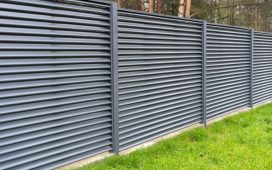
Design has adapted alongside timing. Solid panels catch wind. Slatted and hit and miss designs allow airflow.
Homeowners planning upgrades before storm seasons often choose designs that reduce wind load and stress on posts.
Raised gravel boards lift timber away from damp ground, reducing moisture exposure during wet months.
Why repairs become less attractive as weather worsens
Repairs are harder to carry out effectively in poor weather. Resetting posts in saturated ground rarely provides long term stability.
Homeowners searching for fence repair near me during winter often find that repairs offer only short term relief. Once spring arrives, movement returns.
This experience pushes people toward planned replacement during better conditions rather than repeated fixes.
How gardeners notice seasonal fence movement earlier
Gardeners who spend time outdoors notice subtle changes. Gates that stick. Panels that rub. Posts that feel loose.
These signs often appear before visible failure. Homeowners who recognise them early use weather forecasts to choose the right moment for upgrades.
Acting before failure reduces cost and disruption.
The role of forecast planning in new installations
New fencing installations benefit just as much from weather planning. Good ground conditions lead to stronger foundations. Better curing leads to longer lifespan.
Homeowners commissioning new fences increasingly ask about timing rather than just price. They want work done when conditions support quality.
This shift reflects growing awareness of how weather affects results.
Why climate awareness has changed expectations
Climate awareness has filtered down into everyday decisions. Homeowners expect wetter winters and stronger storms. They plan accordingly.
Fencing, once seen as a simple task, is now viewed through the lens of long term performance rather than immediate appearance.
This change in mindset leads to better outcomes.
How weather planning affects long term maintenance
Fences installed under good conditions require less early maintenance. Posts stay firm. Panels remain aligned. Fixings hold.
This reduces the need for adjustments during the first few years, which is when many fences begin to show problems.
Planning around forecasts protects that early performance window.
When repairs still fit into forecast planning
Not all work involves full replacement. Some repairs make sense if timed correctly.
Minor repairs carried out during dry periods often hold better than those done during wet spells. Resetting posts, replacing rails, or adjusting panels works best when the ground offers resistance.
Homeowners assessing these options often review fence repairs information to decide whether timing will make repairs worthwhile.
How weather planning influences contractor availability
Contractors also work more effectively in stable weather. Digging, setting, and aligning posts is easier when conditions cooperate.
Homeowners who plan ahead often secure better scheduling and avoid peak emergency periods.
This leads to smoother projects and better results.
Why planning upgrades around forecasts is becoming normal
Planning fencing upgrades around weather forecasts is no longer unusual. It is becoming standard practice among homeowners who have learned from past experience.
They understand that fences interact with soil, moisture, and wind over time. They choose timing that supports longevity rather than reacting to failure.
How informed timing leads to better fencing outcomes
Fences installed or upgraded under the right conditions last longer, require fewer repairs, and perform better through seasonal changes.
From decades working across York, it is clear why homeowners now check forecasts before committing to fence work. Weather is no longer background noise. It is a key factor in making fencing decisions that stand the test of time.