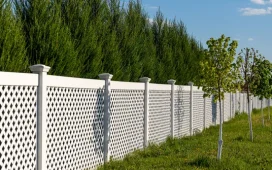

If there is one change I have noticed on fencing jobs around York in recent years, it is this. Homeowners are not asking for the cheapest option anymore. They are asking for the option that will leave them alone. People search for fencing companies near me because they want a boundary that looks smart, stays straight, and does not become another weekend job. Many start by browsing York Fencing and the options available locally because they want clear, practical choices, not a sales pitch.
From decades on the tools as a fencing contractor, I understand it. Most people are juggling work, kids, commuting, and everything else. The garden still matters, but time is tighter. Fencing sits right on that fault line. A fence can either be a quiet, reliable boundary, or it can become a slow drip of maintenance, repairs, and annoyance.
Low maintenance fencing is booming because it matches modern life. It reduces the repeat jobs that creep up year after year.
What busy homeowners really mean by low maintenance
When a homeowner says low maintenance, they rarely mean zero maintenance. They mean fewer tasks, less urgency, and fewer surprises.
They want to avoid the routine of staining panels every couple of summers. They want posts that do not rot at ground level. They want fixings that do not rust out. They want a fence that still looks decent after winter without needing a morning of patching and propping.
A big part of my job now is explaining what maintenance actually looks like over ten years, not just what the fence looks like on install day.
Why the old approach no longer fits most households
Years ago, plenty of homeowners enjoyed a Saturday in the garden with a brush and a tin of treatment. That is less common now. People still care about their outdoor space, but they want to use it, not constantly work on it.
One thing I see often on local jobs is a fence that is not truly broken, but it is neglected. Panels are grey and split. Nails are rusty. Posts feel soft if you give them a push. The owner says they meant to treat it last year. Then life got in the way.
That is the pattern. Busy life does not leave room for regular maintenance. Low maintenance fencing is simply a better fit for how most people live.
The quiet cost of timber maintenance
Timber fencing can be great when it is built properly and looked after. The issue is the looking after part.
If you have a long run of fencing, treating it is not a small job. You need a dry spell. You need time. You need to clear plants away from the fence line. You need to prep rough panels. Then you repeat it again in a couple of years.
Miss that cycle and timber starts to degrade faster. In York, where we get long wet spells and plenty of damp air, timber can stay wet for longer than people expect. That is when boards soften, rails twist, and fixings start working loose.
Homeowners often do not factor this in when they look at a quote. They see the upfront number and forget the years of maintenance behind it.
Why York soil pushes people toward low maintenance options
York soil is a big part of the story. A lot of gardens sit on heavy clay. Clay holds water in winter and stays soft. In summer it can bake and shrink. That movement affects fences.
If posts are not deep enough, the fence will move. I typically set posts around 600mm to 750mm deep on most garden fence runs, sometimes deeper on exposed plots. If you cut that depth, it may look fine at first, but you usually pay for it later.
Busy homeowners notice this. They do not want a fence that needs re setting after a wet winter. They want stability. Low maintenance options usually start with better foundations and better post choices.
How seasonal movement creates repeat problems
Fences do not just stand there. They move with the seasons.
In winter, saturated clay softens and posts can rock slightly under wind load. In summer, dry clay can pull away from posts and leave small gaps. That is when you see the fence line start to lean or ripple.
A fence with timber posts is more vulnerable to this because the post itself can absorb moisture and decay at the base. Once the base softens, movement becomes more likely.
This is why homeowners who have been through a couple of winters often switch priorities. They start thinking about what lasts, not just what looks good on day one.
The real reason repairs feel endless
A lot of people come to me after they have tried the repair route for a few years. It starts with a panel replacement. Then a rail snaps. Then a post needs re setting. Then a gate stops hanging right.
None of these repairs are unusual. The problem is the repeat cycle.
When a fence has reached the stage where multiple parts are weakened, repairs do not reset the clock. They just keep it going a bit longer. You fix one weak point and the next one shows itself.
That is when people start searching fence repair near me, then realise they might be better off putting that money toward a more durable system.
Why concrete posts are back in demand
Concrete posts are not new, but they are popular again for a reason. They remove the biggest rot risk from a fence.
Timber posts fail at ground level. It is the damp zone. It is also the zone you cannot see clearly. With concrete posts, that issue disappears. You still need correct depth and good concrete in the hole, but you remove one major failure point.
For busy homeowners, it is a simple trade. Less fuss later.
Concrete posts are also useful in York clay because they hold their shape and do not soften. They help keep the fence line straighter through seasonal movement.
Galvanised fixings and why they matter
A low maintenance fence is not just about posts and panels. It is about the small parts too.
I have seen plenty of fences where the timber was still decent, but cheap fixings failed. Rusted nails. Corroded brackets. Screws snapping.
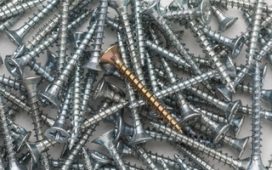
Galvanised or stainless fixings cost more, but they reduce the small failures that lead to bigger problems. When fixings stay strong, panels stay tight. Rails stay supported. The fence feels solid for longer.
Busy homeowners notice the difference because they are not constantly tightening, rehanging, or replacing.
Pressure treated timber versus dipped timber
This is one of the most misunderstood areas. People hear treated timber and assume it is all the same.
Pressure treated timber is treated deeper. It tends to last longer in damp conditions. Dipped timber often has more surface protection, but it can break down quicker, especially where boards are cut or where water sits.
In York gardens, that difference matters. If you want a timber fence that needs less attention, pressure treated boards and rails make a real difference. It does not remove maintenance entirely, but it slows the decline.
Composite fencing is growing for a reason
Composite fencing is not for everyone, but I understand why it is becoming more common. It is consistent. It does not rot. It does not need painting. It does not twist the way timber can.
People ask about composite fencing cost because it is higher upfront. The question I ask back is simple. How many times do you want to replace or repair your fence over the next fifteen years.
Composite is attractive to busy homeowners because it removes the maintenance routine. A rinse down is usually enough. No staining schedule. No rot at ground level on the boards themselves.
It still needs a good framework and proper posts, of course. No material can fix poor installation.
Low maintenance does not mean low quality installation
This is where people can get caught out. They choose low maintenance materials, then they accept a rushed install. That defeats the point.
A fence only stays low maintenance if it is installed properly. Post depth matters. Holes need to be right. Concrete needs to be mixed properly. Lines need to be tight.
I have repaired plenty of supposedly low maintenance fences that were set too shallow or rushed into soft ground. The materials were fine. The groundwork was not.
This is why people searching fencing contractor near me should look for someone who talks about ground conditions, not just panel styles.
How design choices can reduce maintenance too
Design plays a part. Solid panels catch wind. In exposed gardens, that wind load can loosen fixings and rock posts. More movement means more maintenance.
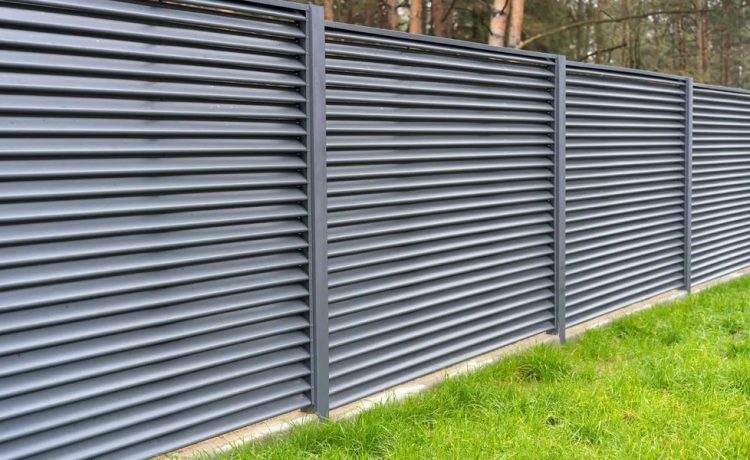
Slatted designs and hit and miss styles allow airflow. They reduce the sail effect. That can mean fewer storm issues and fewer call outs after bad weather.
Raised gravel boards also help. They lift timber away from the wet ground zone. That small design choice can add years to panel life.
The lifestyle shift behind the search terms
I see the same search phrases reflected in real conversations.
People type fencing near me or fencing contractors near me because they want someone local who can solve it quickly. They type fence installation near me because they want a clear plan, not a patch job. They search fencers near me because they want trusted hands, not guesswork.
A busy household wants certainty. They want an install date, a tidy finish, and a fence that will not become a repeated problem.
That is why the demand for fencing services that focus on durability keeps rising.
What low maintenance looks like in real York gardens
Low maintenance is not a brochure promise. It shows up in the small day to day things.
It looks like a fence that stays straight through a wet winter. It looks like posts that do not wobble when the ground is soft. It looks like panels that do not rattle in the wind. It looks like gates that still close properly in February.
Many homeowners in York ask me why their fence always seems worse after winter. The answer is usually the same. Moisture, clay soil, and shallow posts. Fix those fundamentals and the fence becomes quieter.
The most common low maintenance mistakes homeowners make
The first mistake is choosing materials without thinking about the weak points.
You can fit expensive panels, but if the posts are timber and the base stays wet, rot will come. You can choose concrete posts, but if the panels sit too low and stay damp, boards will fail early.
The second mistake is ignoring drainage. If water pools along the fence line, everything stays wet. Gravel at the base of holes and sensible ground levels help.
The third mistake is repairing a tired fence run bit by bit. You end up with a patchwork and you still have the same underlying weaknesses.
When repairs still make sense for busy homeowners
Repairs can make sense when the fence is otherwise sound. One damaged panel. One loose post caught early. One gate hinge that needs resetting.
The key is honesty about the wider structure. If multiple posts are moving, repairs often turn into a slow drain of time and money.
If you are weighing this up, it is worth reading the local guidance on practical fence repair options and thinking about whether a repair will reduce future work, or just delay it.
Choosing the right low maintenance route
There is no single best option for every garden. The right choice depends on exposure, soil, budget, and what you want the fence to do.
Some homeowners want privacy above all else. Others want airflow. Some want a clean modern look. Others prefer traditional timber.
The common thread is durability. Busy homeowners want a fence that does not demand attention every season.
This is where a good fence company near me earns its keep. The right advice saves years of hassle.
Why low maintenance fencing supports outdoor living
Gardens are used differently now. People work from home. They spend more time outside. They invest in patios, lighting, and seating.
A fence frames that space. If it looks tired or leans, it drags the whole garden down. If it stays neat and solid, the garden feels cared for without constant work.
That is another reason fence installation is being treated as part of a wider lifestyle upgrade, not just a boundary fix.
How modern buyers are changing homeowner priorities
Even if you are not selling, people are influenced by what they see in other gardens and on property listings.
Buyers notice boundaries. Surveyors comment on safety and stability. Neighbours notice when a fence line looks neglected.
That pushes homeowners toward solutions that stay presentable. Low maintenance fencing helps because it keeps its shape and finish without constant upkeep.
The keywords reflect real intent on the ground
When someone searches fencing contractor or fencing contractors, they usually want reliability. They want someone who turns up, does it right, and leaves the site tidy.
When they search fencing companies near me or fencing contractors near me, they are often looking for a local firm that understands local ground. York clay is not the same as sandy coastal soil. It changes how you set posts and how you plan drainage.
When they search fence installation near me, they want a clean start. When they search fence repair near me, they want the least disruptive fix possible.
Low maintenance fencing sits behind all of these searches because it promises fewer future problems.
The simplest way to reduce fence maintenance long term
If you strip it back, low maintenance comes down to a few trade basics.
Get the posts right. Set them deep enough. Use the right post type for the soil. Make sure water does not sit around the base. Choose panels that suit the exposure. Use proper fixings. Keep timber off the wet ground zone.
Do that, and a fence becomes boring in the best way. It just stands there and does its job.
If you want to compare durable options, including timber, concrete post systems, and composite, the clearest overview is on garden fencing choices for York homes.
Why low maintenance fencing is not a fad
Low maintenance fencing is booming because it solves a modern problem. People have less time, higher costs, and less patience for repeat repairs.
From years on site, I can tell you it is not just about materials. It is about mindset. Homeowners want control. They want predictability. They want to stop thinking about the fence line every time a storm comes through or a wet winter drags on.
A well built low maintenance fence gives them that. It stays straight, stays solid, and stays out of the way, which is exactly what busy households are looking for.